
Understanding the psychology behind gambling behavior in casinos
The Allure of Casinos: Environment and Atmosphere
Casinos are crafted to be enticing environments that stimulate excitement and anticipation. The strategic use of colors, lighting, and sounds creates an immersive atmosphere that encourages players to spend more time gambling. For instance, the vibrant lights and sounds of slot machines are designed to evoke a sense of urgency, suggesting that a big win could occur at any moment. This sensory overload can lead to an altered state of consciousness, making it easier for individuals to lose track of time and money. Enjoying games at 28 Mars Casino can heighten this experience, as each spin or deal is infused with thrill and anticipation.
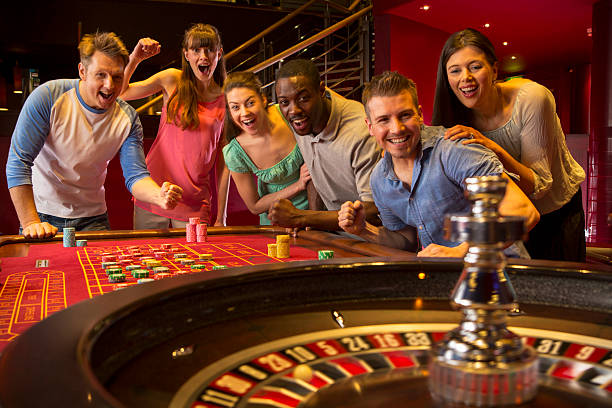
Moreover, the layout of a casino often promotes a sense of confusion. With no clear exits and a maze-like design, players may feel compelled to explore further, hoping to find the next thrilling game. This physical disorientation can enhance the thrill of gambling, as players become more engrossed in the experience, often forgetting their initial intentions or limits. This manipulation of space and design is a significant factor in the psychology behind gambling behavior.
The social aspect of casinos also plays a crucial role in attracting players. Many people enjoy the shared excitement of gambling, whether at a poker table or during a lively game of roulette. The presence of fellow gamblers can create a sense of community and belonging, further motivating individuals to participate. The social reinforcement of gambling behavior can lead to increased risk-taking, as individuals are influenced by the actions and reactions of those around them.
The debate between luck and skill is central to understanding gambling behavior. Many casino games, such as slots and roulette, rely heavily on chance, leading players to believe that luck governs their success. This perception can be both exhilarating and frustrating. Players may feel a temporary high with each win, attributing it to their good fortune, while losses may leave them questioning their luck and compel them to continue playing in hopes of a turnaround.
In contrast, games like poker require a combination of skill, strategy, and psychological insight. Players must read their opponents, calculate odds, and manage their bankrolls effectively. The complexity of skill-based games may lead to a stronger emotional investment, as players believe their decisions directly influence outcomes. This belief can create a false sense of control, making it easier for individuals to justify losses as part of the learning process rather than mere luck.
The intertwining of luck and skill also affects how individuals perceive their gambling experiences. Players may develop cognitive biases, such as the illusion of control, where they overestimate their influence over random events. This skewed perception can perpetuate continued gambling, as individuals remain convinced that their skills can sway outcomes, leading to further losses and, at times, addiction.
Cognitive biases significantly shape gambling behavior, often leading individuals to make irrational decisions. One common bias is the gambler’s fallacy, the belief that past events affect future probabilities. For example, a player might think that after a series of losses, a win is “due” to happen. This misunderstanding of probability can encourage continued gambling, even when the odds remain unchanged. Such biases can cloud judgment and result in excessive gambling behavior.
Another prevalent cognitive bias is the confirmation bias, where individuals seek out information that confirms their pre-existing beliefs. A player may remember their wins more vividly than their losses, reinforcing the notion that they have a winning strategy. This skewed perspective fosters an overconfidence that can lead to more significant risks, as players may disregard evidence to the contrary.
Lastly, the concept of near misses plays a crucial role in gambling psychology. Players often experience a sense of excitement and hope after coming close to winning, even when they ultimately lose. This sensation can create a compulsion to continue playing in search of that elusive victory. Such near misses can act as a psychological reward, prompting gamblers to believe that success is within reach, further perpetuating their gambling behavior.
Emotions play a pivotal role in gambling behavior. Many individuals gamble to escape negative feelings, such as stress or anxiety. The thrill of gambling can temporarily alleviate these emotions, leading to a cycle of using gambling as a coping mechanism. However, this reliance on gambling for emotional relief often leads to increased financial risk and a deeper psychological dependency, compounding issues rather than solving them.
Conversely, positive emotions can also influence gambling decisions. Players may engage in more risk-taking behavior when they are feeling euphoric or confident. Celebrating a small win can lead to a heightened sense of invincibility, prompting individuals to bet larger amounts or try riskier games. This emotional rollercoaster can create a volatile gambling environment, where highs are followed by lows, making it challenging to maintain a balanced approach.
Additionally, social influences can amplify emotional responses in gambling. The presence of friends or family can encourage both positive and negative behaviors. A supportive group can enhance enjoyment, while a competitive atmosphere can lead to reckless betting. This interplay of emotions and social dynamics can significantly affect individual gambling decisions and outcomes, highlighting the complexity of gambling behavior in casinos.
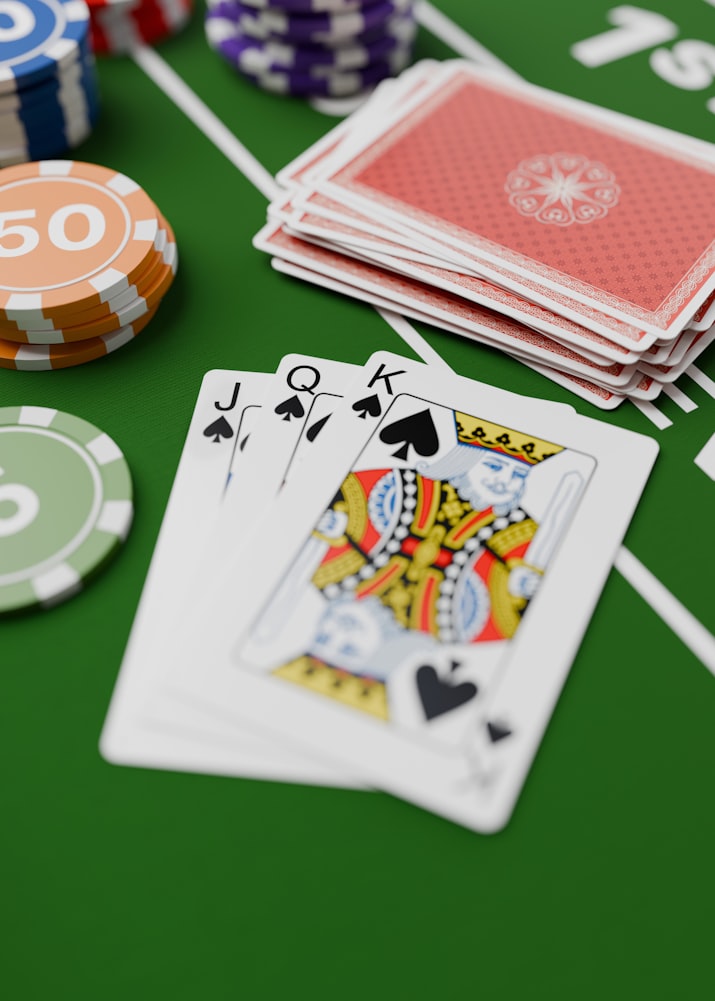
28 Mars Casino is designed to offer a thrilling online gambling experience, tailored specifically for Australian players. The platform provides a wide array of games from industry-leading providers, ensuring that every player finds something suited to their tastes and preferences. With a user-friendly interface and seamless navigation, players can easily explore various gaming options, making it an inviting environment for both newcomers and seasoned players.
Additionally, 28 Mars Casino prioritizes player safety with secure banking options and a commitment to responsible gaming. This focus on ensuring a secure environment allows players to enjoy their gambling experience without the worry of losing control. With robust customer support, players can easily address any queries or concerns, making their gaming experience even more enjoyable.
By understanding the psychology behind gambling behavior, players can make informed decisions at 28 Mars Casino. Whether engaging in games of chance or skill, being aware of the emotional and cognitive factors at play enhances the overall experience. Join now to immerse yourself in a world of excitement and entertainment, where responsible gambling is the cornerstone of fun.
“`
